“New Bond King” Jeffrey Gundlach stated that the newly appointed Federal Reserve Chairman Kevin Warsh emphasized fulfilling the commitment to price stability, significantly reducing the likelihood of substantial rate cuts, thereby notably enhancing the allocation value of long-term U.S. Treasuries. Overnight, the rate-sensitive 2-year U.S. Treasury yield surged by 13 basis points in a single day, while the 30-year yield edged slightly lower, narrowing the spread between the two to a new low in over a year.
Jeffrey Gundlach, CEO of DoubleLine Capital and known as the “New Bond King,” indicated that the hawkish signals delivered by Warsh in his debut imply that bets on accommodative monetary policy may fall short, reinforcing the rationale for holding long-term U.S. Treasuries.
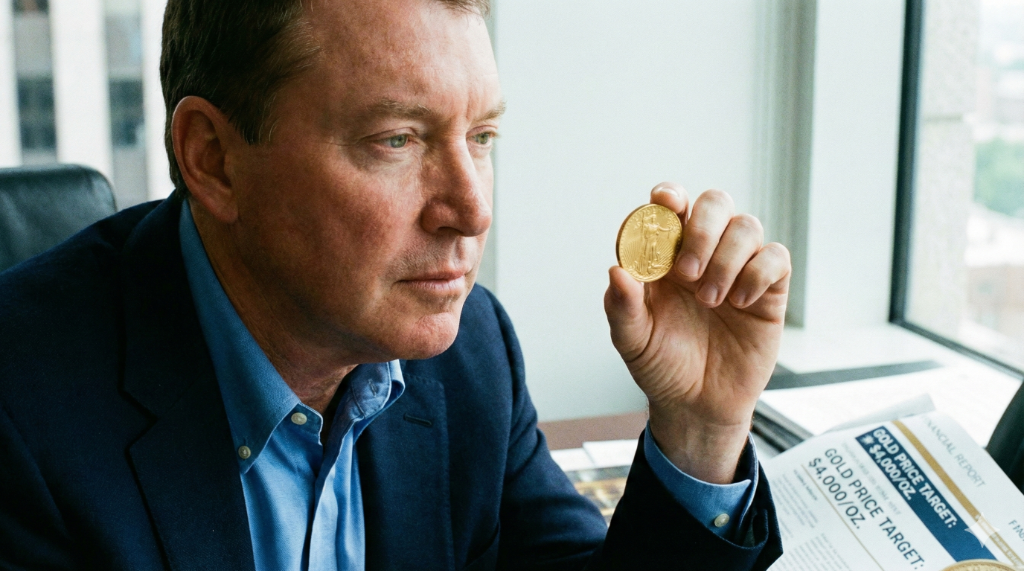
Speaking on CNBC on Wednesday, Gundlach remarked that Warsh’s comments clearly conveyed a determination to fulfill the commitment to price stability. Gundlach said: “His tone today is entirely unlike the Fed chairman that everyone expected in the first quarter of this year to push for rate cuts.” He argued that Warsh has effectively staked his personal credibility on controlling inflation, greatly reducing the possibility of substantial rate cuts. Gundlach added: “The new sheriff is in town, and I believe the case for holding long-term Treasuries is now stronger.”
During this meeting, Warsh also made a notable decision by refusing to submit his individual interest rate forecast in the dot plot. Warsh simultaneously hinted at a broader review of the Federal Reserve’s communication framework. This signal suggests that he may intend to systematically adjust the way the Fed transmits policy signals, though the specific direction remains unclear. Gundlach: Reputation Bet on Inflation, Long Bond Buying Case Strengthens Gundlach believes that Warsh’s tough stance has effectively created a self-imposed restraint mechanism. Gundlach stated: If he fails to deliver outcomes that can be termed ‘price stability,’ he has effectively declared himself a failure today. This reputational bet makes aggressive rate cuts or excessively loose policies more difficult to achieve from a political logic perspective. Based on this judgment, Gundlach believes that long-term U.S. Treasury bonds currently have stronger allocation value. His logic is that if the Fed adheres to a price-stability orientation, the reflationary pressure from excessively loose policies on long-end bonds will significantly diminish. He said: We do not need to worry about further pressure on long bonds from excessive easing or excessively loose interest rates.