① Governments are planning to enhance oil reserve capacity due to the Hormuz Strait crisis, which may support oil prices in the short to medium term.
② Energy-importing countries in the Asia-Pacific region, such as India and Australia, are seeking to build new reserve capacity to improve energy security.
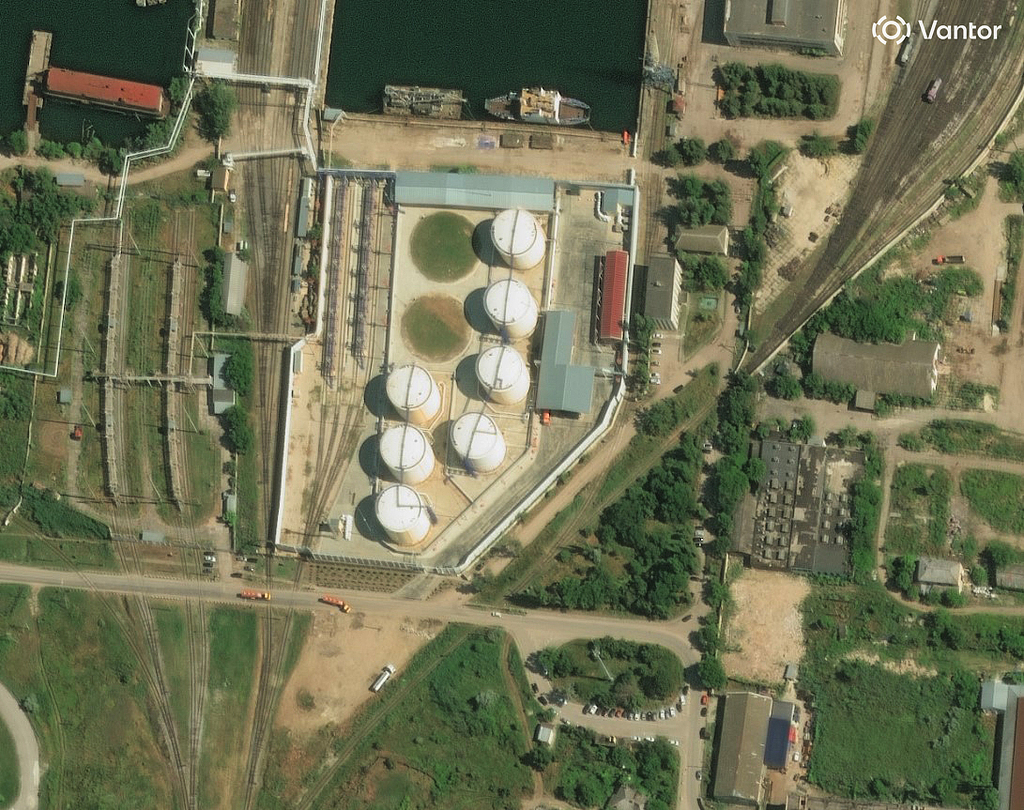
③ The total demand to fill existing and future storage facilities may approach 1 billion barrels, which will support oil prices over several years.
June 24 — News that the Hormuz Strait is expected to resume traffic does not eliminate oil market vigilance over prices. Due to concerns about supply chain fragility, countries are planning to enhance oil reserve capacity, which may trigger sustained high oil prices in the short to medium term.
Countries in the Asia-Pacific region in particular, including energy importers such as India and Australia, are seeking to establish new reserve capacity to improve energy security and avoid being caught off guard again by the closure of the most important oil and LNG chokepoint.
In addition, major oil producers are considering expanding their global reserve bases so that they can sell their crude oil when the next crisis causes a key chokepoint to close.
According to a report, all the oil storage plans announced by countries in recent months may require about 500 million barrels of crude oil and fuel to fill the newly added storage capacity. In addition, International Energy Agency member countries still need to replenish the 400 million barrels of crude oil inventories released in March, meaning the total demand to fill existing and future storage facilities may approach 1 billion barrels.
Crude oil demand of this scale will support oil prices over several years. Assuming the Hormuz Strait resumes traffic in the second half of this year, demand from reserves will help oil prices rebound next year.
Accumulate Grain, Build High Walls
Nearly four months of stagnation in the Hormuz Strait, along with uncertainty over the speed and smoothness of reopening, have led to energy shortages in Asia, pushed the U.S. Strategic Petroleum Reserve to its lowest level since 1983, and reduced inventories at Cushing, the WTI crude oil delivery point, to an operational stress level of only 20 million barrels.
For governments and oil traders worldwide, this means existing storage capacity is insufficient. Expanding reserve capacity helps buffer the impact of the next supply shock, thereby mitigating the effect of price spikes in future crises.
Among them, India has already taken the lead. India is the world’s third-largest crude oil importer, but its total underground strategic petroleum reserve capacity is only 5.33 million tons of crude oil, equivalent to 39 million barrels, enough for only eight days of India’s oil consumption.
It is reported that the Indian government has asked state-owned oil and natural gas companies to build a new strategic petroleum reserve, with an estimated investment of 1.6 billion U.S. dollars.
Its neighboring country, Pakistan, hopes that Middle Eastern oil producers will establish a crude oil reserve buffer zone in the energy city planned near Gwadar Port in Pakistan.
Singapore, as one of the world’s top oil centers, is also preparing to expand its crude oil storage capacity and will explore more underground space. Australia plans to spend 10 billion Australian dollars (about 7 billion US dollars) to increase fuel reserves.
In addition, Saudi Arabia, the world’s largest crude oil exporter, is also expanding its global oil storage capacity. Yasir Al-Rumayyan, chairman of Saudi Aramco, said last week that Saudi Aramco will have larger oil storage facilities around the world, especially in Asia.